
For many small business owners in the Northern Territory, the word "digitalisation" sounds like something that belongs to large corporations — not a Darwin trade, a Katherine retailer, or an Alice Springs hospitality business. That perception is one of the most costly misconceptions in business today.
Digitalisation simply means using digital tools and technology to improve the way your business operates. It is about using the right tools to work smarter and spend less time on things that do not need human attention.
What Digitalisation Actually Means
Digitalisation is often confused with "going paperless" or "having a website." Both are part of it, but the concept is much broader. At its core, it means replacing manual, disconnected processes with digital ones.
Digitisation — Converting information to digital form
Scanning paper records, moving to digital invoices, storing documents in the cloud. This is the foundation everything else builds on.
Digitalisation — Using digital tools to improve processes
Online booking, digital payroll, cloud accounting. These tools actively improve how work gets done.
Digital transformation — Rethinking the business model
Selling online, automating communications, using data to make decisions. The biggest competitive advantages emerge here.
Why It Matters for NT Businesses
The Northern Territory has a unique business environment. Distances are vast, populations are dispersed, and skilled labour is often hard to find. These realities make digital tools not just convenient — they are often essential.
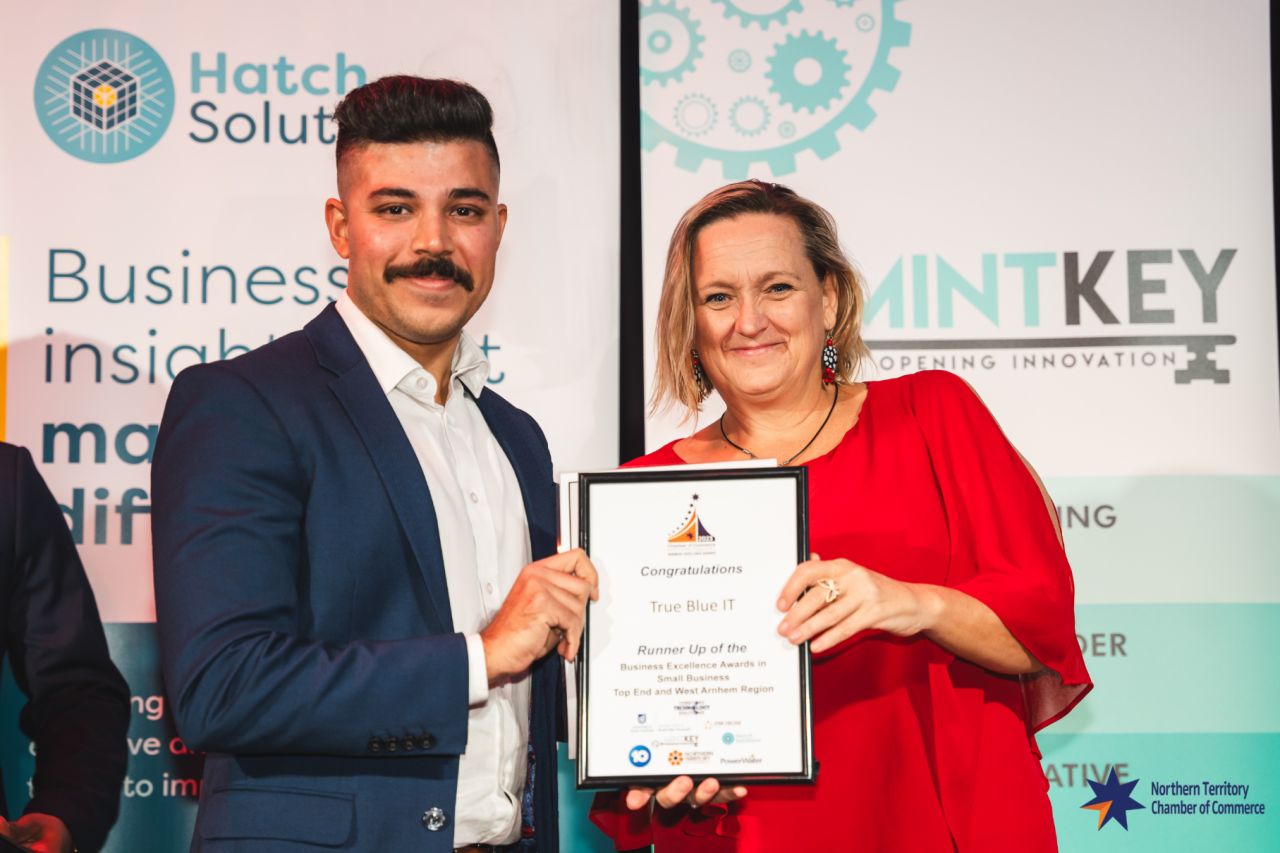
Recognised at the Darwin Chamber of Commerce Awards for contributions to the NT business community.
- Customers increasingly expect to find and transact with businesses online — even local ones.
- Staff time is expensive and scarce. Every hour spent on manual tasks is an hour not spent on higher-value work.
- Remote and regional clients can be served far more cost-effectively through digital channels.
- Government contracts increasingly require digital capability as a baseline.
Common Business Challenges Digitalisation Solves
Cloud accounting tools like Xero or MYOB automate bank reconciliation, invoicing and payroll.
A simple CRM tool keeps all customer contacts and follow-ups in one place. Even a free tool like HubSpot CRM helps.
Digital invoicing with automatic payment reminders dramatically reduces debtor days.
A Google Business Profile and active social media ensure you appear when customers search for what you offer.
Where to Start
Ask yourself these four questions to prioritise where to begin:
- What takes the most time each week that does not require human judgement?
- Where do things fall through the cracks? Missed follow-ups, lost enquiries.
- What do customers ask for that you cannot currently deliver?
- What are your competitors doing that you are not?
Building a Simple Digital Plan
Your top three business goals for the next 12 months
Every digital decision should connect back to at least one of these goals.
The three biggest operational friction points
Where is time being wasted? Where do errors occur?
A shortlist of tools to evaluate
Identify two or three tools per friction point. Most offer free trials.
A 90-day implementation timeline
Commit to implementing one new tool per month for three months.
The NT Context: Opportunities and Considerations
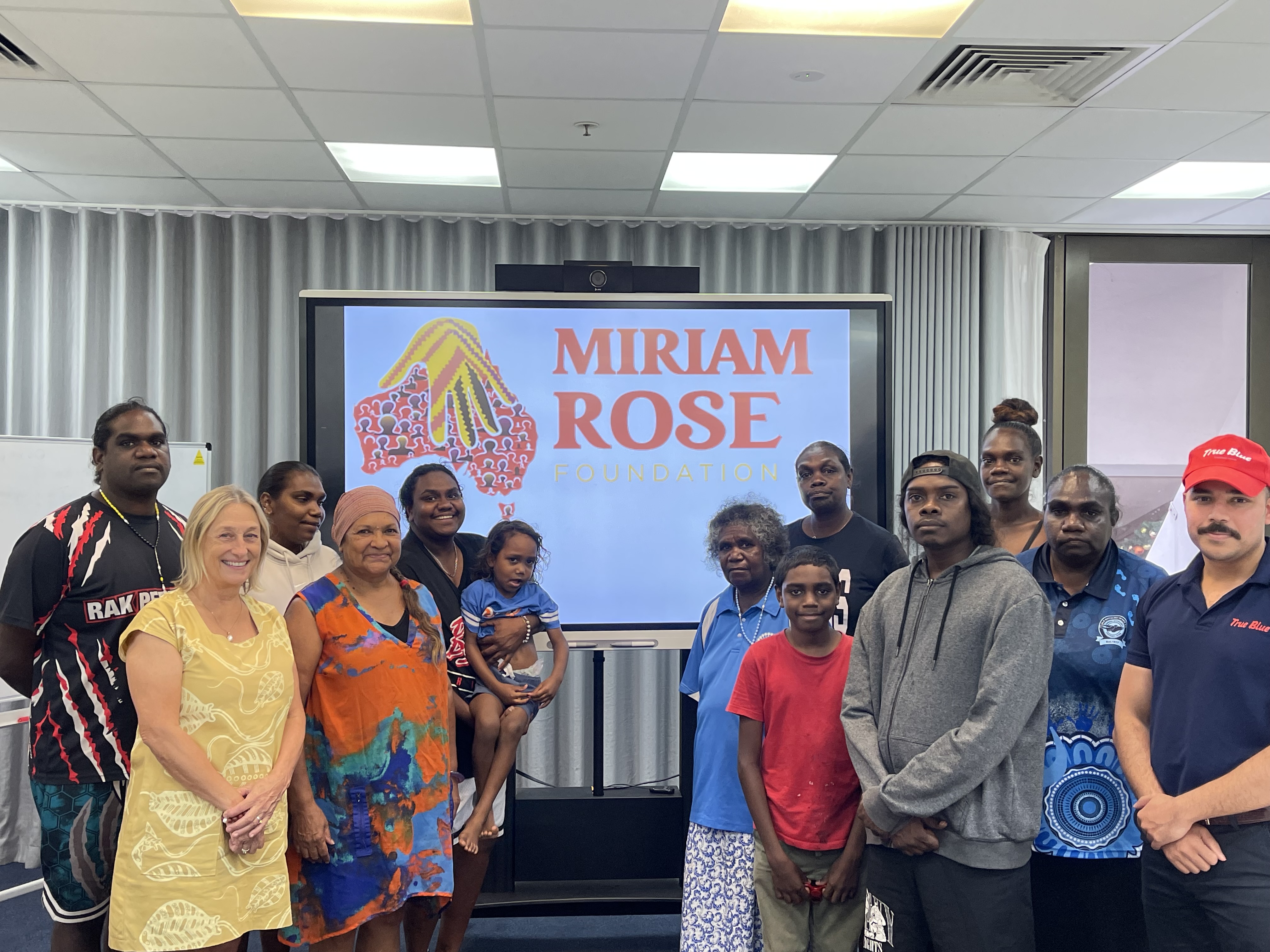
Working with the Miriam Rose Foundation — supporting community organisations with practical digital solutions.
Your First Steps This Week
Write down the three tasks that consume the most time each week.
Search for digital tools that address your top time-consuming task.
Sign up for a free trial and test it with a real task from your business.
Make a decision: adopt, continue trialling, or try an alternative.
Closing Thoughts
Digitalisation is a habit of continuously asking how technology can help your business work better. Start small. Pick one problem. Find one tool. Measure what happens. Then do it again.
Written by

Rifat works with businesses, government agencies and community organisations across the Northern Territory to implement practical technology solutions that drive real results.